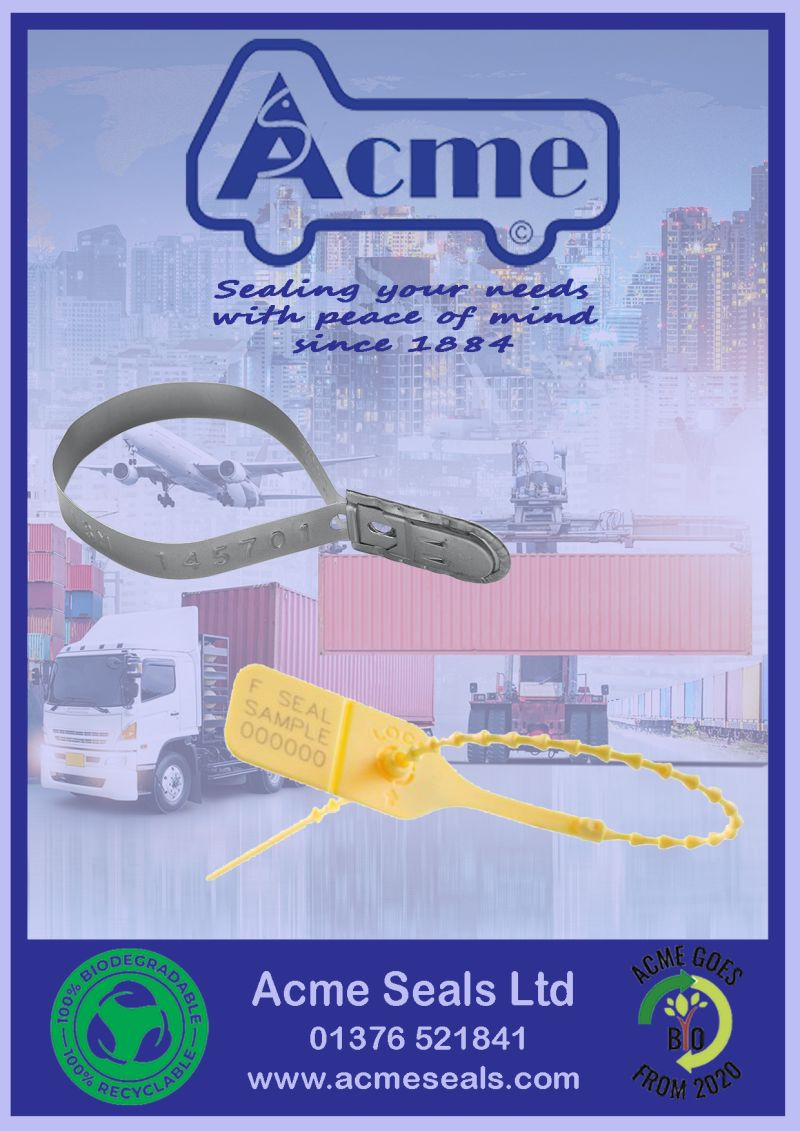
In today's fast-moving business environment, protecting products, shipments, and valuable assets has be more important than ever. Businesses across industries need reliable ways to ensure that their goods remain safe during transportation, storage, and handling. This is where security seals play a vital role. These specially designed devices help protect valuable items, prevent unauthorized access, and provide visible proof potential tampering.
From shipping containers and warehouses to trucks, retail packaging, and industrial equipment, security seals offer a simple yet efficient way to improve security. They help businesses maintain control over their products while building trust with customers, suppliers, and transportation partners. Understanding how these seals work and why they matter will help organizations choose the best solutions for his or her security requirements.
Understanding Security Seals and Their Purpose Security seals are protective devices used to secure containers, packages, doors, meters, and other items against unauthorized opening or interference. They are generally designed to show visible signs if someone attempts to eliminate, break, or manipulate them.
Unlike ordinary locks, many security seals are meant for single use. Once applied, they can not be removed without breaking or damaging the sealing mechanism. This helps it be easier for businesses to identify whether a shipment or storage unit has been accessed without permission.
These seals are available in different materials, designs, and security levels. Depending on the intended application, they could be manufactured from plastic, metal, or specialized materials offering additional strength and protection.
Why Security Seals Are Important for Modern Businesses Product safety and shipment protection are major concerns for companies associated with manufacturing, logistics, retail, and distribution. Goods often travel through several locations and pass between multiple individuals before reaching their final destination.
During this method, there might be opportunities for theft, unauthorized access, or product tampering. Security seals help reduce these risks by creating a visible barrier against interference.
Certainly one of their biggest advantages is accountability. When a seal is applied correctly, its unique identification number could be recorded in shipping documents. The receiving party can then inspect the seal and compare its identification details with the recorded information.
If the seal is missing, damaged, or does not match the documentation, it could indicate a protection problem that requires further investigation.
This additional layer of protection helps businesses improve their operational procedures and maintain greater confidence in their supply chains.
Different Types of Security Seals Different industries have different security requirements, which is why security seals are produced in many varieties.
Plastic Security Seals
Plastic seals are commonly useful for bags, cartons, containers, and storage equipment. They are lightweight, affordable, and convenient for everyday applications. Many designs include adjustable locking mechanisms and unique identification numbers.
Bolt Security Seals
Bolt seals are widely useful for shipping containers, trailers, and heavy transportation equipment. They feature a solid metal bolt and locking mechanism that provides an increased amount of physical security. These seals are particularly useful for international freight and long-distance transportation.
Cable Security Seals
Cable seals feature a flexible metal cable that passes by way of a locking body. They are ideal for securing irregularly shaped openings, industrial equipment, transportation containers, and other applications where flexibility is important.
Metal Security Seals
Metal seals were created for applications requiring durable and reliable protection. They are often utilized in industrial environments, utility meters, and transportation operations where resistance to physical damage is important.
Indicative Security Seals
Indicative seals were created primarily to provide proof tampering rather than prevent forced entry. They are useful for identifying unauthorized usage of bags, boxes, cabinets, and storage areas.
Deciding on the best type is dependent upon the worth of the protected goods, transportation conditions, and the degree of security required.
Common Applications Across Different Industries Security seals are utilized in many industries because they offer a functional solution to monitor access and protect valuable materials.
In the logistics and transportation industry, they help secure shipping containers, trucks, trailers, and freight shipments. Companies can inspect seals before accepting deliveries to identify possible interference during transit.
In the foodstuff and beverage industry, seals help protect storage units, delivery vehicles, and product packaging. They support product integrity by providing visible proof unauthorized access.
In the pharmaceutical sector, security seals are useful for protecting medicine shipments, storage cabinets, and sensitive medical supplies. Maintaining the integrity of these products is especially important because unauthorized interference can cause serious safety concerns.
Retail businesses also use seals to safeguard valuable inventory, cash bags, storage facilities, and merchandise shipments. Their use can help reduce internal losses and improve inventory management.
Similarly, industrial facilities use security seals on machinery, equipment, electrical enclosures, and utility meters to monitor access and discourage unauthorized interference.
Key Features to Consider When Choosing Security Seals Selecting a suitable seal requires more than choosing an inexpensive product. Businesses must look into several important characteristics to make certain reliable performance.
Material Quality: The material should be ideal for the environmental surroundings in that your seal will undoubtedly be used. Metal options might be right for demanding applications, while plastic designs can work very well for lighter security requirements.
Unique Identification: Serial numbers, barcodes, and other identification features ensure it is more straightforward to track individual seals and maintain accurate records.
Tamper Evidence: A trusted seal should show clear signs of interference if someone attempts to open or manipulate it.
Ease of Application: Employees should have the ability to apply seals correctly without complicated tools or unnecessary delays.
Environmental Resistance: Outdoor shipments and industrial operations may require seals that withstand moisture, temperature changes, dust, and other environmental conditions.
Compliance Requirements: Certain industries and transportation operations may require specific security standards or certified seal types. Businesses should verify the applicable requirements before making a purchase.
Benefits of Using Security Seals in Supply Chain Management A highly effective security system can significantly increase the movement and handling of goods. Security seals contribute to this process by helping businesses monitor shipments and identify potential security issues.
One important benefit is theft deterrence. Visible seals can discourage unauthorized individuals from attempting to gain access to protected goods.
Another advantage is improved shipment accountability. Unique seal numbers allow businesses to maintain records of when and where individual seals were applied and inspected.
Security seals may also help reduce disputes between suppliers, transport companies, and customers. When shipments arrive with intact and correctly identified seals, receiving parties have an additional indication that the goods haven't been visibly disturbed during transit.
Furthermore, these products are generally easy to use and require minimal training. Businesses can incorporate them into existing packaging, transportation, and warehouse procedures without making major operational changes.
Best Practices for Proper Use and Management To achieve reliable results, businesses should establish clear procedures for applying, recording, and inspecting security seals.
Employees should receive appropriate training on selecting and applying the proper seal for every application. Every seal should be checked for visible damage before use.
Organizations should maintain accurate records of identification numbers, shipment details, application dates, and responsible personnel. These details will make investigations easier if a protection issue occurs.
During delivery, receiving employees should inspect the seal before opening the shipment. Any signs of damage, missing components, or identification mismatches should be documented and reported.
Businesses also needs to purchase seals from reputable manufacturers offering consistent product quality and appropriate technical information.
It is essential to remember that security seals are not an entire replacement for physical locks, surveillance systems, or access-control procedures. They work best as part of a broader security strategy.
How Security Seals Support Business Confidence and Reliability Trust is an important part of each successful business relationship. Customers expect their products to arrive safely, while suppliers and logistics providers need confidence that their shipments are protected through the transportation process.
Security seals help create this confidence by providing a straightforward method of monitoring access. Their visible tamper evidence and identification features ensure it is easier to establish responsibility and investigate unexpected incidents.
For growing businesses, investing in appropriate sealing solutions may also support professional operations and demonstrate a commitment to product protection.
As supply chains become increasingly complex, the requirement for dependable security practices will continue steadily to grow. Businesses that prioritize shipment integrity and asset protection can take advantage of incorporating suitable sealing solutions within their daily operations.
Conclusion Security seals are an important section of modern product protection and supply chain management. They help discourage unauthorized access, identify potential tampering, improve shipment accountability, and protect valuable goods across different industries.
With various possibilities, businesses can make products that match their specific security requirements, environmental conditions, and operational needs. By combining quality seals with proper application, accurate recordkeeping, and regular inspections, organizations can cause a more reliable security process.
Ultimately, investing in the best security seals is a functional step toward protecting assets, strengthening business relationships, and maintaining confidence through the supply chain.